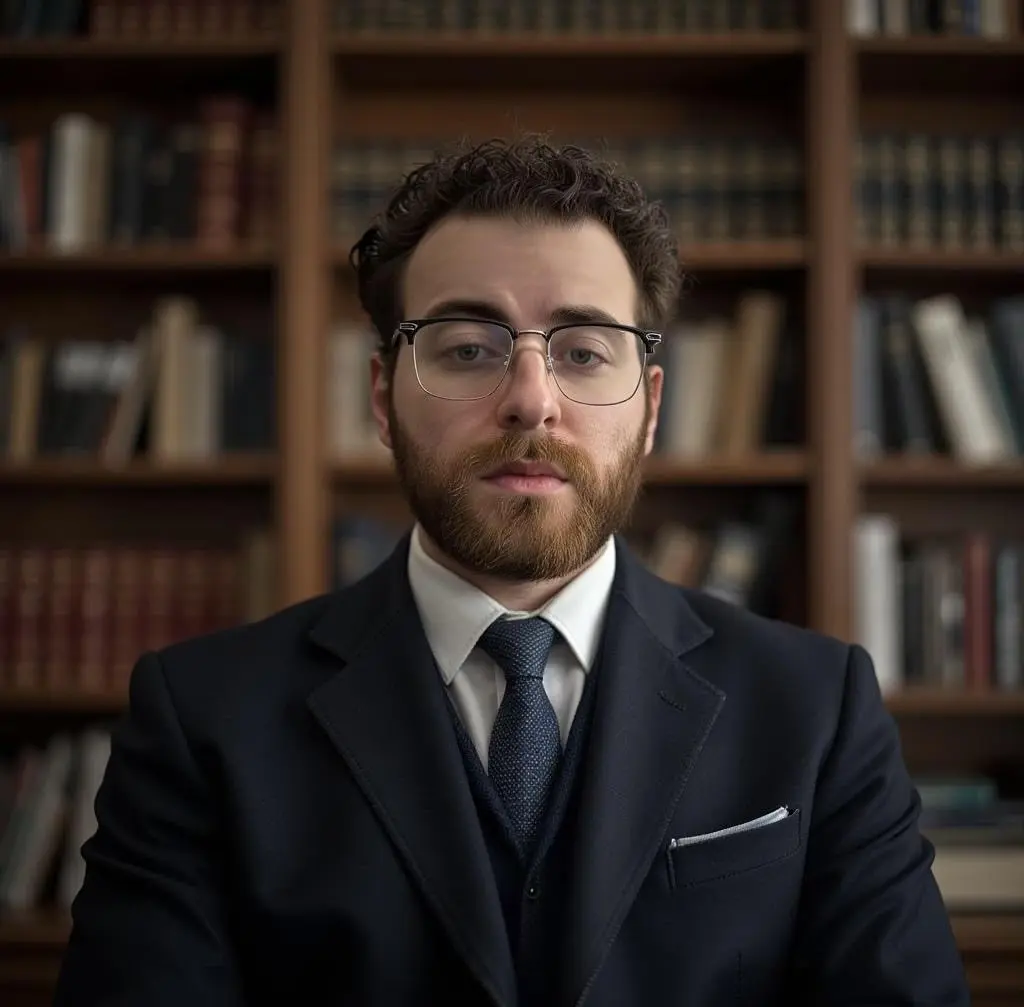
When a loved one passes away in New York, their estate often includes real property – a home, a co-op, or perhaps an investment property. Selling this real estate can be a complex process, especially when it\'s part of a probate estate. At Estate Law New York, we understand the challenges and emotional toll this can take on families. Our goal is to simplify the process, providing clear, compassionate, and experienced legal guidance every step of the way.
This guide will walk you through the intricacies of probate real estate sales in New York, from understanding the fundamental concepts to navigating court approvals and closing the deal. We\'ll help you understand your role, the legal requirements, and how to ensure a smooth and successful sale.
Understanding Probate Real Estate in New York
What is Probate Real Estate?
Probate real estate refers to property that was owned by an individual who has passed away and is now part of their estate. Before this property can be sold or transferred to heirs, it typically must go through the probate process. Probate is the legal procedure that validates a will (if one exists), identifies the deceased\'s assets, pays off debts and taxes, and ultimately distributes the remaining assets to the rightful beneficiaries or heirs.
In New York, the Surrogate\'s Court oversees the probate process. This court ensures that the deceased\'s wishes, as expressed in their will, are honored, or if there is no will, that their assets are distributed according to New York\'s intestacy laws. Real estate is often the most significant asset in an estate, making its proper handling crucial.
Why is Probate Necessary for Real Estate?
Probate provides legal authority for the transfer of property. Without it, the title to the real estate remains in the name of the deceased, making it impossible to legally sell or transfer. The court\'s involvement ensures that:
- The will is authentic and valid.
- All interested parties (heirs, creditors) are properly notified.
- Debts and taxes are settled before assets are distributed.
- The sale of the property is conducted fairly and legally, protecting the interests of all beneficiaries.
Attempting to sell real estate without proper probate can lead to significant legal complications, delays, and potential financial losses. For more on how to avoid these pitfalls, see our page on asset protection. It\'s a critical step to ensure a clear and marketable title for the new owner.
Key Players in a Probate Real Estate Sale
Several individuals and entities play vital roles in a New York probate real estate sale:
- The Executor (with a Will) or Administrator (without a Will): This is the personal representative appointed by the Surrogate\'s Court to manage the estate. This may also involve a guardianship proceeding in some cases. Their responsibilities include gathering assets, paying debts, and distributing property. They are the primary decision-maker regarding the sale of real estate, under court supervision.
- Beneficiaries/Heirs: These are the individuals who stand to inherit from the estate. Their consent or notification is often required for significant estate actions, including property sales.
- The Surrogate\'s Court: The judicial body that oversees the entire probate process, including approving the sale of real estate.
- Estate Attorney: An attorney focusing on estate law, like those at Estate Law New York, guides the Executor/Administrator through the legal complexities of probate and real estate sales. Learn more about our lead attorney, Alan Vaitzman.
- Real Estate Agent: A professional who markets and facilitates the sale of the property. It\'s crucial to choose an agent experienced in probate sales.
- Appraiser: An independent professional who determines the fair market value of the property, often required by the court.
The Probate Process for Selling Property in NY
Selling real estate through probate in New York involves several distinct stages. Understanding these steps is key to a successful outcome.
Initiating the Probate Process
The first step is to file a petition with the Surrogate\'s Court in the county where the deceased resided. This petition formally requests the court to admit the will to probate (if there is one) and appoint an Executor, or to appoint an Administrator if there is no will. This initial phase can involve gathering necessary documents, notifying interested parties, and addressing any potential challenges to the will. Our estate planning services can help prevent such challenges in the future.
Appointing an Executor or Administrator
Once the court reviews the petition and any objections, it will issue Letters Testamentary (for an Executor) or Letters of Administration (for an Administrator). These documents grant the appointed individual the legal authority to act on behalf of the estate, including the power to sell real estate, which may be related to a power of attorney, subject to court oversight. This is a critical step, as without these letters, no one has the legal standing to manage the deceased\'s assets.
Valuing the Estate Property
Before a property can be sold, its fair market value must be determined. In New York probate, this typically involves obtaining an appraisal from a qualified, independent appraiser. The appraisal provides the court with an objective assessment of the property\'s worth, which is essential for ensuring that the sale price is fair and in the best interest of the beneficiaries. The court may also require an updated appraisal if a significant amount of time passes between the initial appraisal and the proposed sale.
Obtaining Court Approval to Sell
In many New York probate cases, especially when the will does not explicitly grant the Executor the power to sell real estate, or if there is no will, court approval is required before the property can be sold. This involves filing a petition with the Surrogate\'s Court, outlining the reasons for the sale, the proposed terms, and demonstrating that the sale is necessary and beneficial to the estate. The court will review the petition and may hold a hearing to ensure all parties\' interests are protected. This step is crucial for ensuring a clear title for the buyer and preventing future legal challenges.
Selling Probate Real Estate: Step-by-Step
Once the necessary legal authority and court approvals are in place, the practical steps of selling the property can begin.
Marketing the Property
The Executor or Administrator, often in conjunction with a real estate agent experienced in probate sales, will market the property. This includes listing the property, conducting open houses, and negotiating with potential buyers. It\'s important to ensure that the marketing efforts are robust to achieve the best possible sale price for the estate. Transparency about the property\'s probate status is also vital.
Receiving and Accepting Offers
When offers are received, the Executor or Administrator must carefully review them, considering not only the price but also the terms and conditions. If court approval for the sale is required, the accepted offer will be presented to the court for its review and final approval. This process ensures that the sale is conducted transparently and in the best interests of the estate and its beneficiaries.
Court Confirmation of Sale (if required)
In some instances, particularly if the initial court order to sell was broad, the court may require a final confirmation of the sale. This is another layer of protection to ensure the sale is fair and equitable. The court will examine the terms of the accepted offer and confirm that it aligns with the estate\'s best interests. This step can add time to the overall process but is essential for legal compliance.
Closing the Sale
Once all court approvals are secured, the closing process proceeds much like a traditional real estate transaction. The buyer\'s attorney will conduct a title search, and all necessary documents will be prepared. At closing, the title to the property is transferred to the buyer, and the proceeds of the sale are deposited into the estate account. These funds will then be used to pay estate debts, taxes, and ultimately distributed to the beneficiaries according to the will or New York intestacy laws.
Challenges and Considerations in NY Probate Real Estate Sales
Probate real estate sales can present unique challenges that require careful navigation.
Dealing with Heirs and Beneficiaries
Disputes among heirs or beneficiaries, which can sometimes overlap with family law matters, can significantly complicate and delay a probate sale. Clear communication, transparency, and, when necessary, legal intervention are crucial to resolving disputes. An experienced estate attorney can mediate these issues and ensure that the sale proceeds in accordance with legal requirements and the deceased\'s wishes.
Property Condition and Repairs
Often, properties in probate have been vacant for some time or may require significant repairs. The estate may not have the funds for extensive renovations, and selling a property as-is might be the most practical solution. However, disclosing all known defects is legally required and crucial for avoiding future liabilities. A thorough inspection and clear communication with potential buyers are essential.
Mortgages and Liens
Many properties come with existing mortgages or other liens (such as tax liens or judgments). These debts must typically be satisfied from the sale proceeds before any distribution to beneficiaries. Understanding the financial obligations attached to the property is a critical step in determining the net proceeds available to the estate. Our firm can help navigate these financial complexities, ensuring all obligations are met correctly.
Tax Implications
Selling real estate from an estate can have significant tax implications, including potential capital gains taxes and estate taxes. This is an area where elder law considerations can also be important. The Executor or Administrator is responsible for understanding and fulfilling these obligations. Proper tax planning and professional advice are essential to minimize the tax burden on the estate and its beneficiaries. We work closely with tax professionals to ensure compliance and optimize outcomes.
Why Choose Estate Law New York for Probate Real Estate Sales?
Navigating a probate real estate sale in New York requires a deep understanding of both probate law and real estate transactions. Our team at Estate Law New York brings extensive experience and a compassionate approach to every case.
Our Expertise
We focus on New York estate law, including complex probate matters and real estate sales. Our attorneys are well-versed in the Surrogate\'s Court procedures, local real estate markets, and the nuances of property valuation and transfer within an estate context. We stay updated on all relevant laws and regulations to provide you with the most accurate and effective legal counsel.
Our Approach
We believe in providing clear, straightforward advice, avoiding unnecessary legal jargon. We understand that this is often a difficult time for families, and we strive to make the process as stress-free as possible. We handle all legal aspects of the sale, from petitioning the court for Letters Testamentary or Administration to obtaining court approval for the sale and overseeing the closing. Our proactive communication ensures you are always informed and confident in the decisions being made.
Frequently Asked Questions About Probate Real Estate Sales
How long does a probate real estate sale take in New York?
The timeline for a probate real estate sale in New York can vary significantly depending on several factors, including the complexity of the estate, whether there is a will, potential disputes among beneficiaries, and the court\'s caseload. Generally, it can take anywhere from 6 months to over a year. Our goal is always to expedite the process while ensuring all legal requirements are met.
Can I sell a property in probate without court approval?
In most cases, no. Unless the will explicitly grants the Executor the power to sell real estate without court intervention, or if the property is held in a trust, court approval is typically required. Attempting to sell without proper authorization can lead to legal challenges and invalidate the sale. It\'s always best to consult with an experienced estate attorney to determine the specific requirements for your situation.
What happens if an heir objects to the sale?
Objections from heirs can complicate and delay the sale. The Surrogate\'s Court will typically hold a hearing to address these objections. The court\'s primary concern is to ensure that the sale is in the best interest of the estate and all beneficiaries. Our attorneys are skilled in mediating disputes and representing our clients\' interests in court to resolve such objections efficiently.
Contact Estate Law New York Today
If you are facing the prospect of selling real estate through probate in New York, don\'t navigate the complexities alone. The experienced team at Estate Law New York is here to provide the knowledgeable guidance and support you need. We are dedicated to protecting your interests and ensuring a smooth, efficient, and legally sound transaction.
Contact us today to schedule a confidential consultation. Let us help you through this challenging time with confidence and peace of mind.
Estate Law New York
299 Broadway, New York, NY 10007
Phone: (646) 941-8170