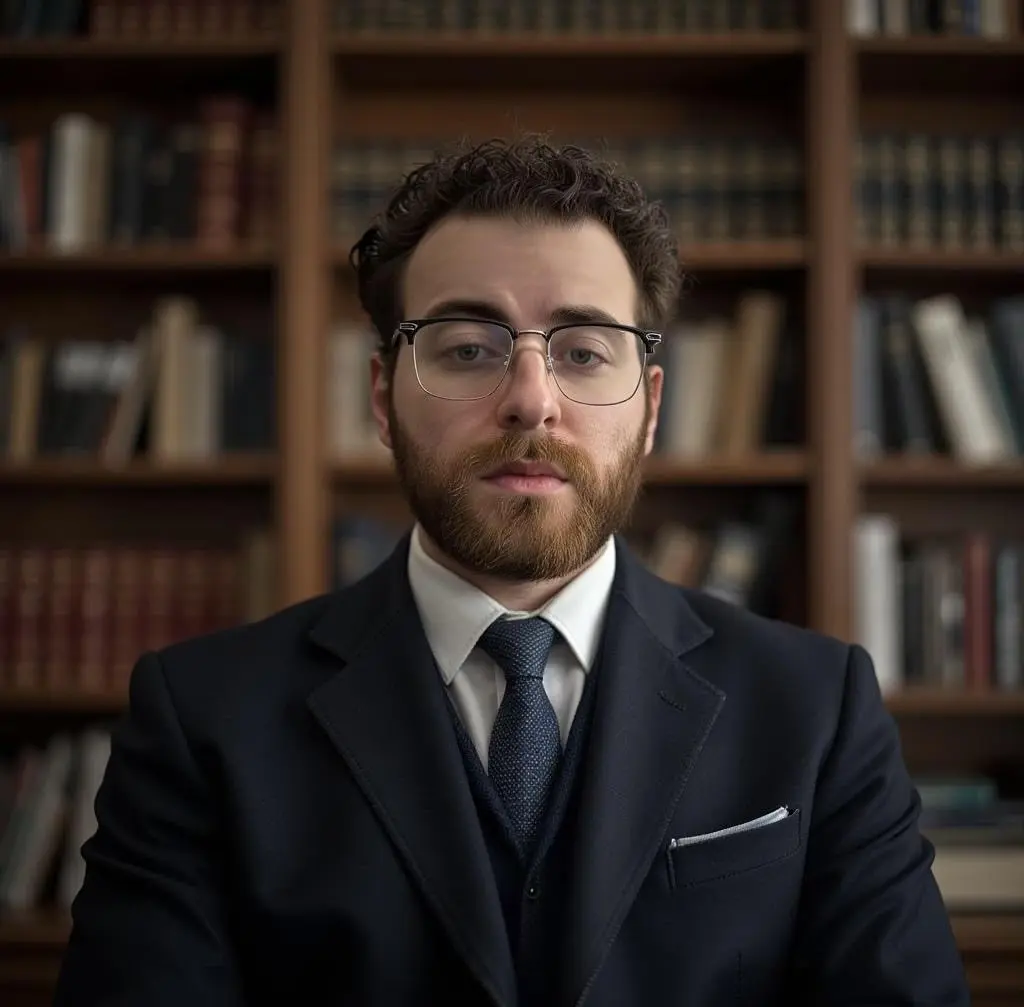
When a loved one passes away, their last will and testament is typically submitted to the Surrogate\'s Court for probate. This legal process validates the will and ensures the deceased\'s wishes are carried out. However, sometimes family members or beneficiaries may have concerns about the will\'s validity, leading to a challenging situation known as a will contest. At Estate Law New York, we understand the emotional and legal complexities involved in these disputes. Our dedicated team, led by Alan Vaitzman Esq., is here to provide compassionate and experienced legal guidance to New Yorkers navigating the intricate world of probate litigation. We also offer services in family law and real estate, which can be relevant in complex estate matters.
A will contest is a formal objection raised against the validity of a will. It\'s not simply disagreeing with the distribution of assets; it\'s about questioning whether the will itself is legally sound. These disputes can arise for various reasons, often stemming from suspicions of foul play, mental incapacity, or procedural errors during the will\'s creation. Our firm is committed to protecting your inheritance rights and ensuring that your loved one\'s true intentions are honored.
Grounds for Challenging a Will in New York
In New York, specific legal grounds must be established to successfully challenge a will. It\'s not enough to simply be unhappy with the will\'s provisions. Our attorneys meticulously investigate each case to determine if one or more of these grounds apply:
Lack of Testamentary Capacity
For a will to be valid, the person making it (the testator) must have had the mental capacity to understand what they were doing when they signed it. This means they must have known they were signing a document that would dispose of their property upon death, understood the nature and extent of their property, and recognized the natural objects of their bounty (i.e., their family members and loved ones). If there\'s evidence that the testator suffered from a mental illness, dementia, or was otherwise not of sound mind, the will could be challenged on these grounds.
Undue Influence
Undue influence occurs when someone exerts such pressure or manipulation over the testator that it overcomes their free will, causing them to create a will that reflects the influencer\'s desires rather than their own. This often involves a person in a position of trust or authority, such as a caregiver, family member, or financial advisor, who isolates the testator and manipulates them into making significant changes to their will. Proving undue influence requires demonstrating a confidential relationship and suspicious circumstances surrounding the will\'s execution.
Improper Execution
New York law has strict requirements for how a will must be executed to be considered valid. These formalities include:
- The will must be in writing.
- It must be signed by the testator at the end.
- The testator must sign or acknowledge their signature in the presence of at least two attesting witnesses.
- The witnesses must also sign the will, typically in the presence of the testator.
If any of these procedural requirements are not met, the will may be deemed invalid due to improper execution. Our team can review the circumstances of the will\'s signing to identify any potential flaws.
Fraud
Fraud in the context of a will contest involves deceit or misrepresentation that leads the testator to sign a will they otherwise would not have. This could be fraud in the execution (e.g., tricking the testator into signing a document they believe is something else) or fraud in the inducement (e.g., lying to the testator about a beneficiary to disinherit them). Proving fraud is challenging but can invalidate a will.
Duress
Duress is similar to undue influence but involves direct threats or coercion that force the testator to sign a will against their true wishes. This is often a more overt form of pressure than undue influence.
Later Will Discovered
Sometimes, after a will has been submitted for probate, a more recent, valid will is discovered. If the later will properly revokes the earlier one, the newly discovered will would take precedence. This is a less contentious ground for challenging a will but still requires legal action to ensure the correct document is probated.
The Probate Process and Will Contests in New York
Understanding how a will contest fits into the broader probate process is crucial. Our firm guides clients through every step:
Initiating Probate
The process typically begins when the executor named in the will files a petition with the Surrogate\'s Court to admit the will to probate. Notice is then given to all interested parties, including potential heirs and beneficiaries. For more information on managing assets, consider our asset protection services.
Filing Objections to a Will
If you intend to contest a will, you must file formal objections with the Surrogate\'s Court within a specific timeframe after receiving notice of the probate petition. These objections must clearly state the grounds upon which you are challenging the will\'s validity.
Discovery Phase
Once objections are filed, the parties engage in discovery, which involves exchanging information and evidence. This can include depositions of witnesses, requests for documents (such as medical records, financial statements, and prior wills), and expert testimony. This phase is critical for gathering the necessary proof to support your claims.
Settlement Discussions and Mediation
Many will contests are resolved through settlement negotiations or mediation rather than proceeding to a full trial. Our attorneys are skilled negotiators who will advocate fiercely on your behalf to achieve a favorable resolution. Mediation involves a neutral third party who helps facilitate discussions between the disputing parties.
Trial (if necessary)
If a settlement cannot be reached, the will contest will proceed to trial in Surrogate\'s Court. This is a formal legal proceeding where evidence is presented, and witnesses testify before a judge (and sometimes a jury). Our litigators are prepared to represent your interests vigorously in court.
Who Can Contest a Will in New York? (Standing)
Not just anyone can challenge a will. To have the legal right, or standing, to contest a will in New York, you must demonstrate that you would be financially harmed if the contested will is admitted to probate. Generally, this includes:
- Heirs at Law: These are individuals who would inherit from the deceased if there were no will (intestacy laws). This typically includes spouses, children, parents, and siblings.
- Beneficiaries in Prior Wills: If you were a beneficiary in an earlier will that would be revoked by the contested will, you likely have standing to challenge the later document.
- Creditors (in limited circumstances): While less common, a creditor might have standing if the contested will prevents them from collecting a legitimate debt from the estate.
Understanding standing is a critical first step in any will contest. Our team can assess your specific situation to determine if you have the legal right to bring a challenge.
The Role of a Probate Litigation Attorney
Navigating a will contest without experienced legal representation can be overwhelming. The procedures of the New York Surrogate\'s Court are complex, and the stakes are often high. Our probate litigation attorneys provide invaluable assistance by:
- Investigation and Evidence Gathering: We conduct thorough investigations, interviewing witnesses, reviewing medical and financial records, and consulting with experts to build a strong case.
- Navigating Surrogate\'s Court Procedures: We handle all procedural aspects, ensuring that deadlines are met, documents are properly filed, and court rules are followed.
- Negotiation and Litigation: Whether through skilled negotiation or aggressive representation in court, we advocate tirelessly to protect your interests and achieve the best possible outcome.
- Protecting Your Rights: We ensure that your rights as an heir or beneficiary are safeguarded throughout the entire process, providing clear explanations and strategic advice.
Key Considerations and Timelines
If you are considering contesting a will, it\'s important to be aware of several practical aspects:
- Statute of Limitations: There are strict deadlines for filing objections to a will. Missing these deadlines can result in the loss of your right to challenge the will. It is crucial to consult with an attorney as soon as possible.
- Cost of Litigation: Will contests can be expensive, involving attorney fees, court costs, and potentially expert witness fees. We will discuss fee structures and potential costs transparently from the outset.
- Emotional Toll: These disputes often involve family members and can be emotionally draining. Our firm provides not only legal expertise but also compassionate support during a difficult time.
Case Studies and Examples
While every case is unique, consider these illustrative scenarios:
- Scenario 1: The Isolated Parent. An elderly parent, recently widowed and suffering from declining health, suddenly changes their will to disinherit their children and leave the bulk of their estate to a new caregiver. Our firm could investigate potential undue influence.
- Scenario 2: The Unwitnessed Will. A handwritten document purporting to be a will is found after a person\'s death, but it lacks the required witness signatures. This could be challenged on grounds of improper execution.
- Scenario 3: The Secret Second Family. A deceased individual had a prior, undisclosed marriage and children, and a will is presented that completely excludes them. The children from the prior marriage may have standing as heirs at law.
Frequently Asked Questions (FAQs) About New York Will Contests
Can I prevent my will from being contested?
While no will is entirely immune to challenge, proper estate planning can significantly reduce the likelihood of a successful contest. This includes having a clearly drafted will, ensuring proper execution with witnesses, and potentially including a no-contest clause (though these have limitations in New York). Regular reviews of your wills and trusts with an attorney can also help.
What happens if a will contest is successful?
If a will contest is successful, the Surrogate\'s Court will declare the contested will invalid. Depending on the grounds for the contest, the estate may then be distributed according to a prior valid will, or if no prior valid will exists, according to New York\'s laws of intestacy (as if there were no will at all). This can significantly alter who inherits from the estate. Our firm also handles cases related to guardianship and elder law, which can sometimes intersect with probate disputes.
How long does a will contest take?
The duration of a will contest can vary widely depending on the complexity of the case, the willingness of the parties to settle, and the court\'s calendar. Some cases may resolve in a few months through mediation, while others can take several years if they proceed to a full trial and appeals. Our firm strives to resolve these matters as efficiently as possible while protecting our clients\' best interests.
Contact Estate Law New York Today
If you are facing a will contest in New York, whether you are challenging a will or defending against a challenge, you need experienced legal representation. The complexities of probate law and the emotional nature of these disputes require a steady hand and knowledgeable guidance. Alan Vaitzman Esq. and the team at Estate Law New York are here to provide the compassionate, knowledgeable advocacy you deserve.
Don\'t navigate this challenging time alone. Contact us today to schedule a confidential consultation. We are located at 299 Broadway, New York, NY 10007, and you can reach us by phone at (646) 941-8170. Let us help you protect your legacy and ensure justice is served.