When you hear the phrase "offshore asset protection," you might picture billionaires hiding money on tropical islands. But the truth is, offshore strategies are not just for the ultra-wealthy. Everyday New Yorkers—business owners, doctors, real estate investors, and hardworking professionals—can use these legal tools to safeguard their life savings from lawsuits, creditors, and unexpected financial disasters.
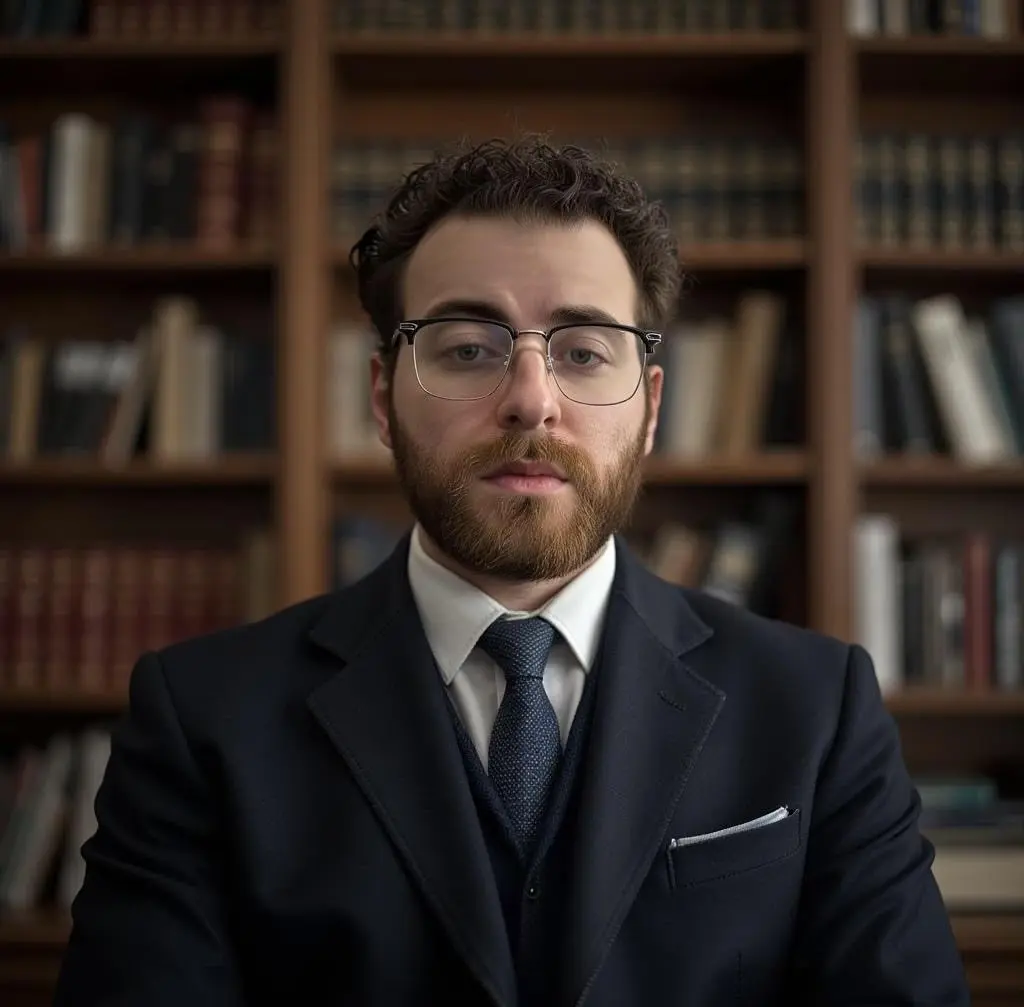
At Estate Law New York, we believe that protecting what you have built should be straightforward and accessible. I am Alan Vaitzman, and my goal is to explain how offshore asset protection works in plain English, so you can make informed decisions about your family's financial future.
What is Offshore Asset Protection?
Offshore asset protection involves moving a portion of your wealth into a legal structure—such as a trust or a limited liability company (LLC)—located outside the United States. By doing this, you place your assets under the jurisdiction of a foreign country that has strong, debtor-friendly laws.
Why go outside the U.S.? Because the American legal system is highly litigious. If you are sued in New York, a local judge has the power to freeze your bank accounts, seize your property, and garnish your wages. However, a New York judge does not have direct authority over a bank or a trust company located in a foreign country like the Cook Islands or Nevis.
This creates a massive legal hurdle for anyone trying to take your money. To get to your offshore assets, a creditor would have to travel to that foreign country, hire local attorneys, and start a brand-new lawsuit under their laws—which are specifically designed to protect your assets.
How Does an Offshore Asset Protection Trust Work?
The most powerful tool in offshore planning is the Offshore Asset Protection Trust (OAPT). Here is a simple breakdown of how it works:
- You Create the Trust: You establish a trust in a secure foreign jurisdiction.
- You Transfer Assets: You move cash, investment accounts, or business interests into the trust.
- You Appoint a Trustee: A licensed, professional trustee in that foreign country manages the trust.
- You Remain the Beneficiary: You and your family can still benefit from the assets, but because you do not legally "own" them anymore, your creditors cannot touch them.
If a lawsuit strikes, your foreign trustee is legally bound to ignore orders from U.S. courts. This means that even if a New York judge orders you to hand over your money, the foreign trustee will refuse, keeping your wealth safe.
Why New Yorkers Need Asset Protection
Living and working in New York comes with unique risks. We live in one of the most lawsuit-prone states in the country. You could face financial ruin from:
- Malpractice Claims: Doctors, dentists, and other professionals are constant targets for lawsuits that exceed their insurance coverage.
- Business Disputes: A disgruntled employee, a breached contract, or a slip-and-fall at your business can lead to devastating litigation.
- Real Estate Liabilities: If you own rental properties, a tenant injury could result in a massive judgment against you.
- Personal Injury Lawsuits: A simple car accident where you are deemed at fault can wipe out your life savings.
While domestic strategies like wills and trusts or domestic asset protection are excellent starting points, they may not offer the bulletproof security of an offshore structure. Offshore planning provides the ultimate peace of mind.
Common Myths About Offshore Asset Protection
There is a lot of misinformation out there. Let's clear up some common myths:
Myth 1: It is Illegal or Involves Tax Evasion
Fact: Offshore asset protection is 100% legal when done correctly. It is not about hiding money from the IRS. You must still report your offshore accounts and pay U.S. taxes on the income. The goal is protection from lawsuits, not tax evasion. For more information on tax compliance, you can visit the IRS website.
Myth 2: I Will Lose Control of My Money
Fact: While you must hand over legal ownership to a foreign trustee, you can still maintain significant influence. You can act as an investment advisor to the trust, or appoint a "Trust Protector" (often your U.S. attorney) who has the power to fire and replace the foreign trustee if necessary.
Myth 3: It is Only for the Super-Rich
Fact: While setting up an offshore trust involves upfront costs, it is a practical strategy for anyone with significant savings, a successful business, or valuable real estate. If you have worked hard to build a nest egg, it is worth protecting.
Integrating Offshore Strategies with Your Estate Plan
Offshore asset protection does not exist in a vacuum. It should be a seamless part of your overall estate planning strategy. A well-structured offshore trust can also serve as a powerful tool for passing wealth to the next generation.
For example, if you are concerned about how your children will handle their inheritance, or if you want to protect their inheritance from future divorces (a common concern in family law and matrimonial cases), an offshore trust can provide lasting security.
Furthermore, if you ever face incapacity, your offshore trust can work alongside your power of attorney and guardianship directives to ensure your assets are managed exactly as you wish, without court interference.
The Importance of Acting Early
The golden rule of asset protection is this: You must set it up before you need it.
If you wait until you are already being sued, or until a creditor is knocking on your door, it is too late. Transferring assets after a lawsuit has been threatened or filed is considered a "fraudulent transfer." Courts can undo these transfers, and you could face severe penalties.
The time to build your fortress is when the skies are clear. By planning ahead, you ensure that when a storm hits, your family's financial future is secure.
Other Asset Protection Options
While offshore trusts offer the highest level of protection, they are not the only tool in the toolbox. Depending on your specific situation, we might also explore:
- Domestic Asset Protection Trusts (DAPTs): Trusts set up in U.S. states with favorable laws, though they are more vulnerable to federal court rulings than offshore trusts.
- Limited Liability Companies (LLCs): Excellent for isolating risky assets, like real estate investments, from your personal wealth.
- Medicaid Planning: If you are concerned about the cost of long-term care, specific strategies in elder law can protect your home and savings from nursing home costs.
During our consultation, we will review your entire financial picture and recommend the exact combination of strategies that makes sense for you.
Why Choose Estate Law New York?
Asset protection is a highly specialized area of law. You need an attorney who understands the nuances of both New York law and international trust law. A simple mistake in drafting or funding an offshore trust can render it useless when you need it most.
As a dedicated attorney, I pride myself on giving honest, practical advice. I will not sell you a complex offshore structure if a simpler domestic solution will achieve your goals. But if you need the ultimate protection, I have the experience and the international network to build a fortress around your wealth.
Take the First Step Toward Peace of Mind
You have worked too hard to leave your family's future exposed to the whims of the legal system. Whether you are a doctor worried about malpractice, a business owner facing potential liabilities, or simply a New Yorker who wants to keep what is yours, we are here to help.
Do not wait until a lawsuit threatens everything you have built. Take control of your financial destiny today.
Contact Estate Law New York to schedule a confidential consultation. Call us at (646) 941-8170 or visit our office at 299 Broadway, New York, NY 10007. You can also reach out through our contact page to get started. Let us build a wall around your wealth.